A compromise between speed and comfort
In the old days, there were just two types of bikes: road bikes with 700c wheels, drop bars, and side pull brakes or mountain bikes with 26″ wheels, flat bars, and cantilever brakes. Times have changed. There is now a new category, the gravel bike, a bike that is sort of in-between the road bike and mountain bike. An example is the Giant Revolt gravel bike.
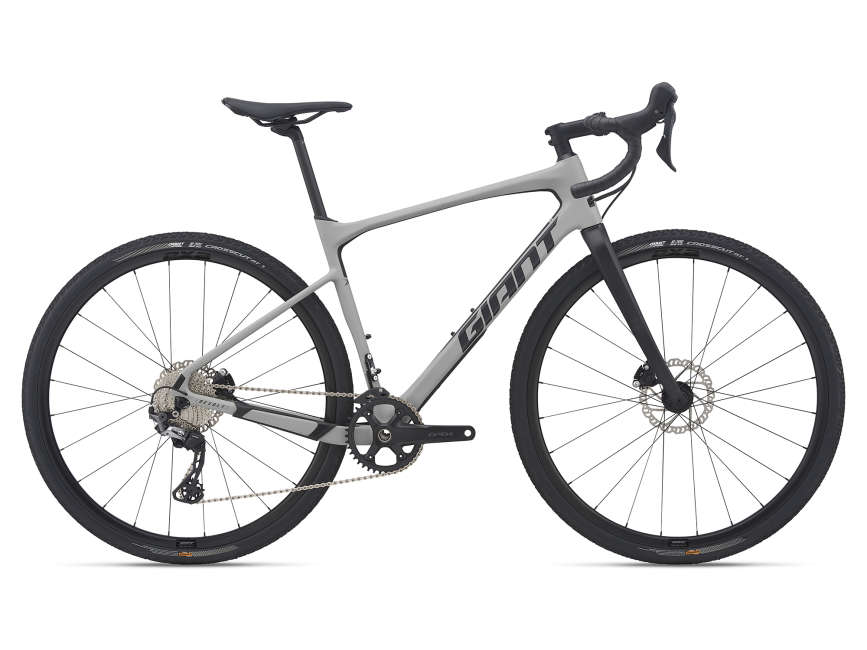
So basically a road bike with fatter tires, hydraulic disk brakes, and more relaxed geometry.
Suspension: I’m not clear why gravel bikes don’t have a suspension fork stock from the factory. Grade 4 gravel is not comfortable at all with a rigid gravel bike and can even be dangerous especially if the bike size is more of a road bike with a top tube clearance around an inch or less. How many gravel bikes have you seen with a dropper post? On my usual weekly ride, the gravel changes from a 0-4.0 and back. I use a minimum of 2″ of suspension fork travel and up to 3.25″ depending on how aggressive I get. Rear shock travels from 1.5-2.25″ during my ride. On a rigid gravel bike where does that travel come from?
Handlebars: I hate drop bars. They only seem to be suitable to road bikers looking for as much speed as possible. The narrowness and rider position is why I’ve always hated these types of bars. Flat bars were my usual go to bar, but I’ve recently changed over to a 710mm Jones H bar for my street bike and XC mountain bike. I love these bars. Going to evaluate on my trail mountain bike at some point.
A compromise between speed and comfort. I see gravel bikes as a compromise between a road and a mountain bike but leaning towards a road bike. Depending on conditions, a gravel rider has to choose between speed and comfort. A rigid bike with tires up to 35-40mm wide will be fast, but hardly comfortable when the terrain is a 3 or 4. On my weekly ride I encounter Grade 0-4.0 all in the same ride. If I rode a road bike, I’d be fine for 0-2 but would have to avoid the 3-5 sections. A gravel bike could handle 0-3 no problem, but the grade 4 section would be really uncomfortable and borderline dangerous. The grade 4.5 sections would be too dangerous to attempt with a rigid bike and why would you want to? Riding a XC mountain bike on Grades 0-3 will of course be slower than a road or gravel bike, but will be so much more fun on 4.0-4.5 terrain. A hardtail with 1.5-2.00″ tires and a dropper post would be my recommendation unless for some reason speed is the main concern and the gravel grade is 0-3, or the majority is 4.0-4.5 then a full suspension bike would be best. I guess it depends on the goal. Speed or comfort? Note that on a 3.5-4.5 trail the mountain bike will not only be more comfortable but will also be faster as the rider can maintain concentration longer and won’t get as fatigued since the suspension will be absorbing the vibrations that his/her body would.
Tires: A mountain bike can always use narrower tires, even gravel or slick type tires to increase speed. The Maxxis Re-Con is a good choice. A gravel bike frame has a limit on the width of tire it can accommodate, usually around 40mm.
So where would a rider ride a gravel bike? Well, there is this article called the gravel gradient outlining the different types of gravel. The article is a great start, but this is my take. There are 5 distinct classifications of surfaces when doing anything but serious mountain biking. Surfaces can range from smooth asphalt to really rocky gravel roads. The tires, bike, suspension all are considerations to take into account. Gravel bikes are great for very specific conditions and riders who like drop bars. They are basically rigid 29er mountain bikes with drop bars and steeper geometry for roadies who don’t want to ride a mountain bike. I hate drop bars so I’d never ride a gravel bike as they are spec’ed from the factory.
Gravel types:
Grade 0 – This is an asphalt street or bike path in average to new condition. Ideal Bike: Road bike, Gravel bike, Slow but comfortable: Hardtail, or FS Mountain Bike. Car: 2wd is of course fine.
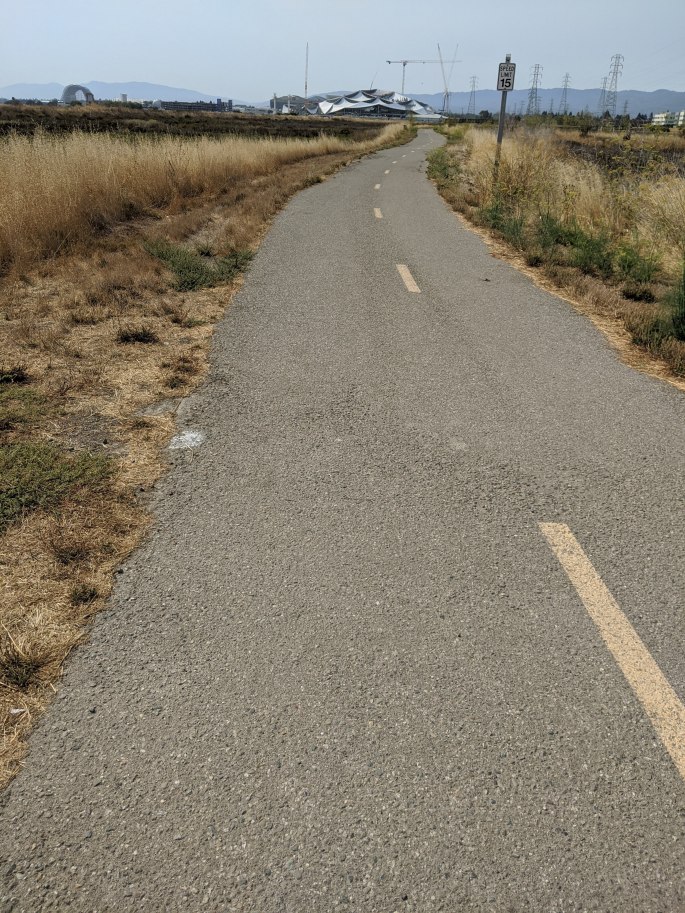
Grade 1 – This is an asphalt street or bike path in really poor to below average condition. Acceptable Bike: Road bike, Ideal Bike: Gravel. Slow but comfortable: Hardtail, or FS Mountain Bike. Car: 2wd is of course fine.
Grade 2 – This is flat and smooth gravel with good density. Acceptable Bike: Road bike, Ideal Bike: Gravel or a Hardtail, Slower but more comfortable: FS Mountain Bike. Car: 2wd is fine 4wd is faster and can handle bumps and abrupt changes in terrain better due to fatter higher profile tires. This is where a gravel bike is best suited, for roads like you see below.
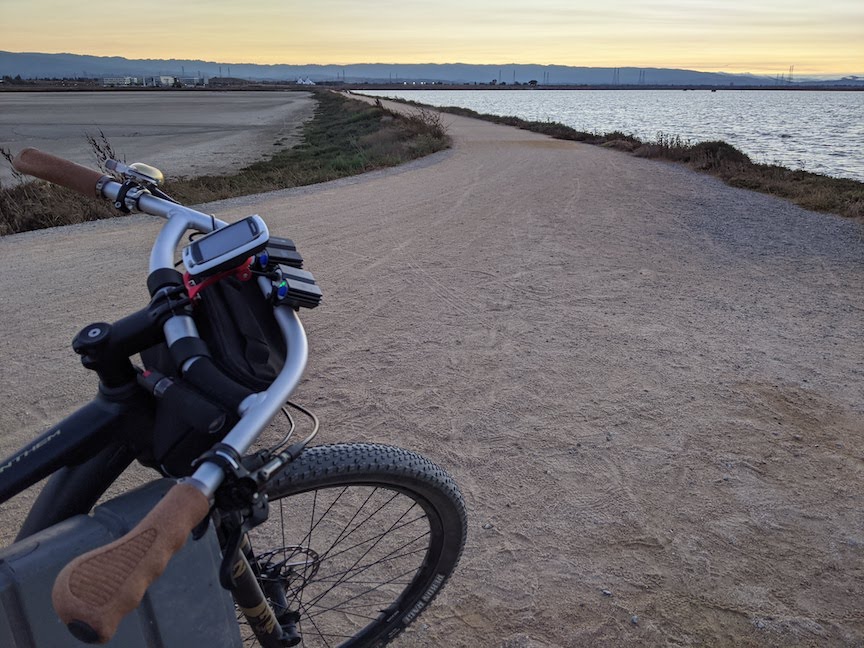
Grade 3 – Rocks up to 1″ in size. Sometimes there is a strip of hardpack on the side or where car tires have been Acceptable Bike: Gravel. Ideal Bike: Hardtail. Slower but comfortable: Full Suspension Mountain Bike. Car: 2wd is at its limit. 4wd is faster and can handle bumps and abrupt changes in terrain better due to fatter higher profile tires.
Grade 4 – This is terrain composed of rocks from a 1-3″ Only Bike to use: Hardtail, or Full Suspension Mountain Bike. Car: 4wd only. Don’t even take a 2wd rental on these types of roads unless you know the road since you can get stuck.
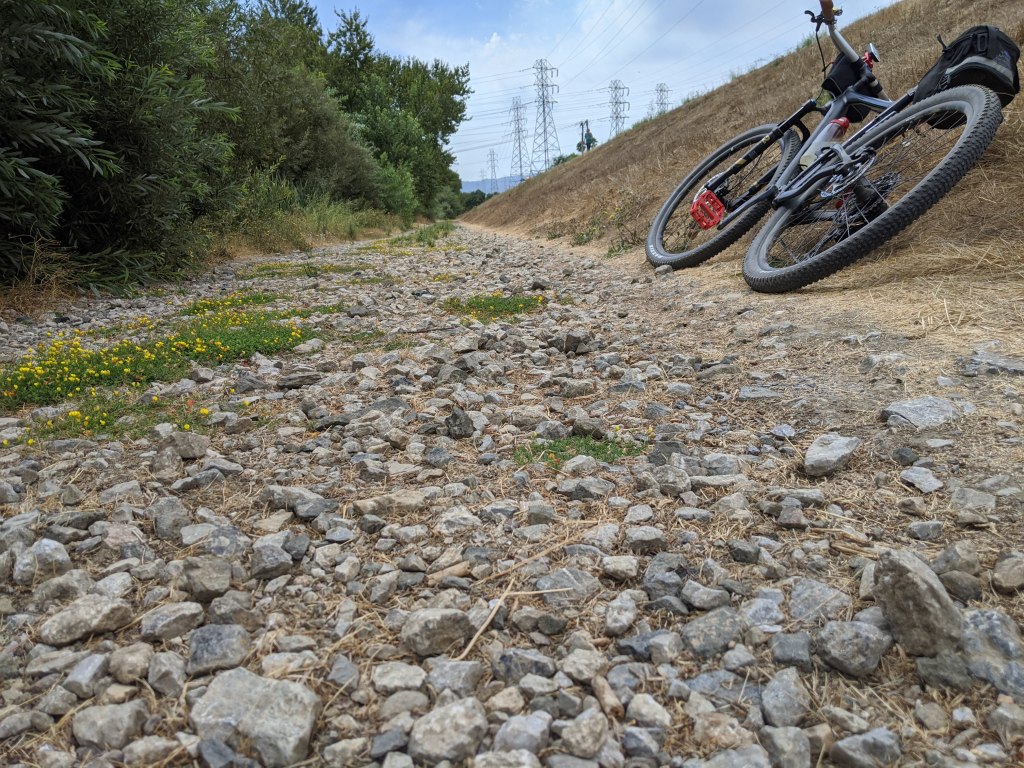
Only attempt this terrain with a hardtail or full suspension mountain bike. Anything else will be dangerous at worst and really uncomfortable at best.
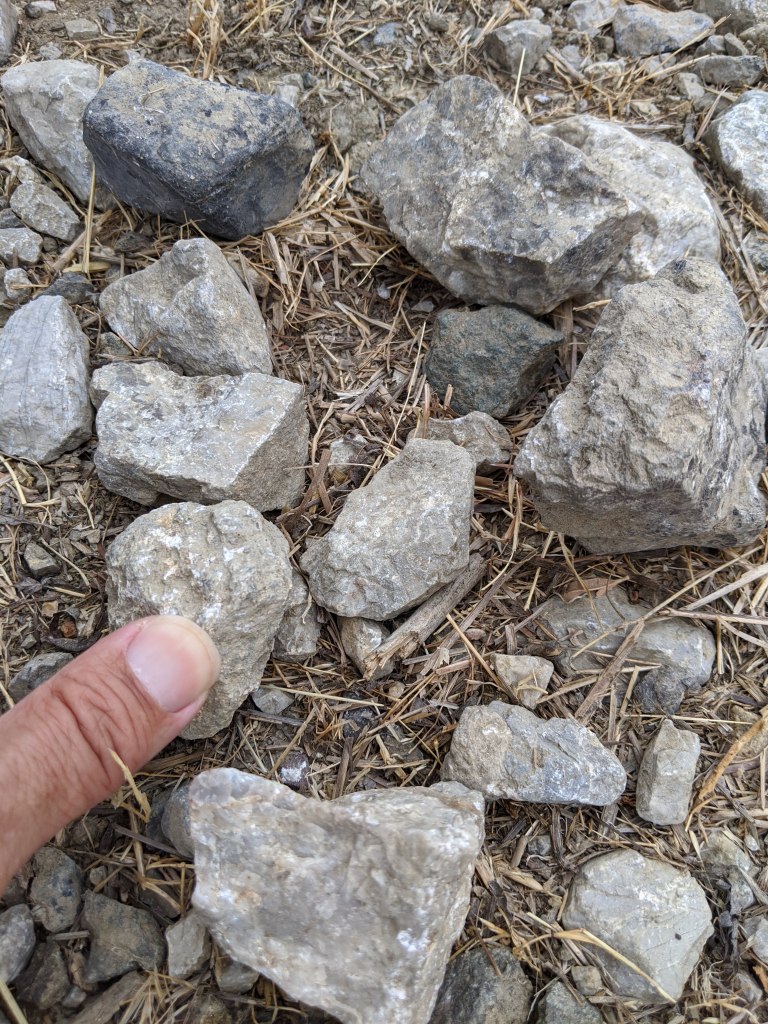
Grade 4.5 – This is grade 4.0 but with some additional obstacles of dips, descents, climbs, turns, bumps, roots, etc. The terrain could also be single track ranging from hardpack to soft dirt with rocks, roots, switchbacks, brush, etc. A hardtail will work, but a full suspension XC bike would be best.
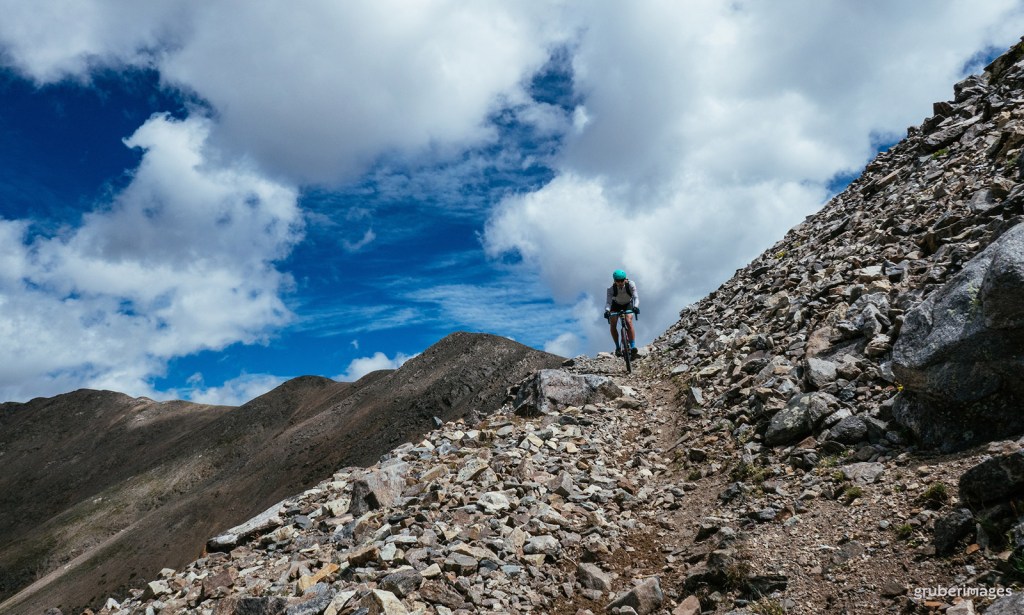
Grade 5 – This is mountain bike terrain and should only be attempted with a mountain bike. A full suspension bike is best.
 Canon M Cameras