So my friend came over and we got to talking about bikes. He lives about 2 miles from work and would take a very flat straight street to work. He asked should I get a carbon bike? Oh gawd no, what a waste of money. He had a $200 Target bike for years but it got stolen and now he has much more disposable income. The $200 Target bike was fine for short rides and had 1×7 gearing but what should he get now? The Target bike did wear out quickly though. The bottom bracket was so worn out after only 2-3 years of riding 3-5 times a week for a few miles so these cheap bikes do wear out fast. However, they are so inexpensive, like $200 that they are great for their intended purpose. Plus, you don’t worry about them getting stolen as much. This is what I told him:
I don’t recommend a road bike with 700C wheels, skinny tires, and drop handle bars. They are meant for going fast and sprinting, but aren’t very comfortable or practical for two mile ride to the grocery store and carrying groceries back.
I don’t recommend a full suspension mountain bike. Mountain bike tires are designed for the dirt and not the asphalt and are too wide with the wrong tread pattern that increases rolling resistance. Their frames are way overbuilt and heavy for riding on the street. The geometry of the frame is also wrong for the street. Rear suspension is not needed and just makes the bike weigh more, increases maintenance required, and takes energy from the rider.
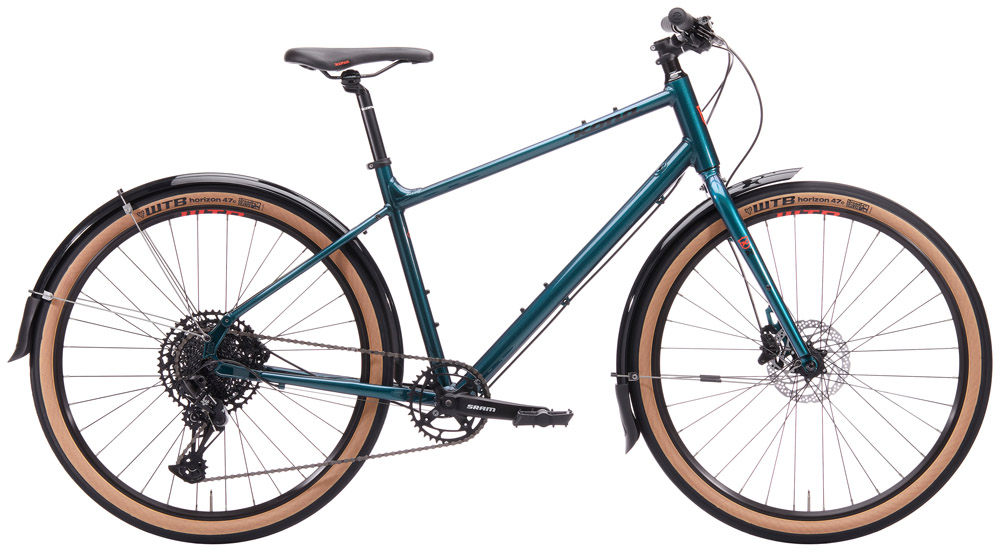
I recommend a street bike. A rigid or front suspended bike with straight bars, aluminum or cromoly frame, rack braze ons, hydraulic disk brakes, 700C or 650B wheels, and 1x gearing. Bike companies have different names for these bikes: hybrid, urban, fitness, city, street, are some of the common names. This is an easy bike to find and afford. Specialized Sirrus X, Trek CrossRip, Zektor, FX, Giant Escape, Kona Dew etc. Almost every bike in this class will have 700C wheels and 2x or 3x gearing but my ideal street bike has 1x gearing. There are a few companies making these including the Kona Dr Dew at $1099! Expensive for a rigid aluminum bike!
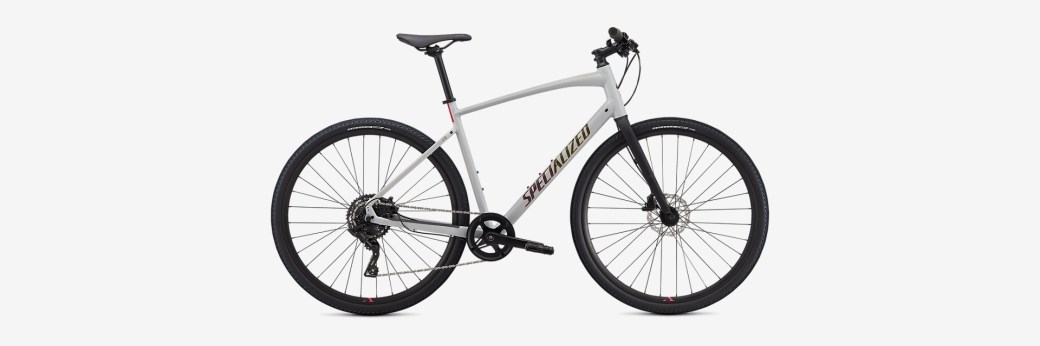
Specialized has a whole line of bikes that fit the requirements called the Sirrus X. $600-$1700. All 1x and 700c wheels. The more expensive models have a suspension system built into the headset, but I tried it and don’t recommend it, so just get the models without it and save money.
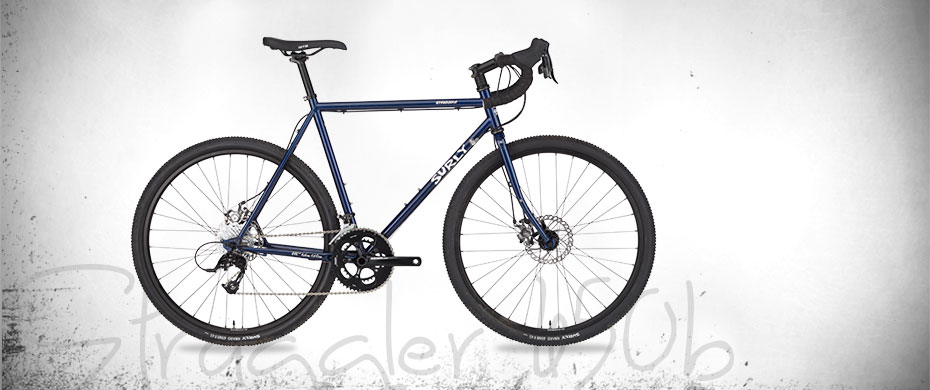
A very expensive alternative to the Kona Dr Dew and Specialized Sirrus is the Surly Straggler at $1549. Of course to change to 1x gearing and straight bars requires another $300-$400 investment since you have to buy a crank, chain ring, cassette, handlebars, shifters, brake levers, grips, add labor and the cost rises to $2000 out the door. You could also buy just the frame and fork for $575 but would still spend about $2000 after the bike was built out. I strongly advise against this option. Surly has terrible customer service too and should be avoided.
I bought a Giant Escape 1 Disc for $695 in 2018. First off, Giant bikes are made by Giant factories in Taiwan and China where almost all other bike companies have an OEM manufacturer build their bikes and then they pass on the increased cost to you the consumer. Giant is much cheaper than all other brands for the equivalent bike. The Escape has 700C wheels and 3x gearing so I put in 650B wheels and 1x gearing and changed the bike from:
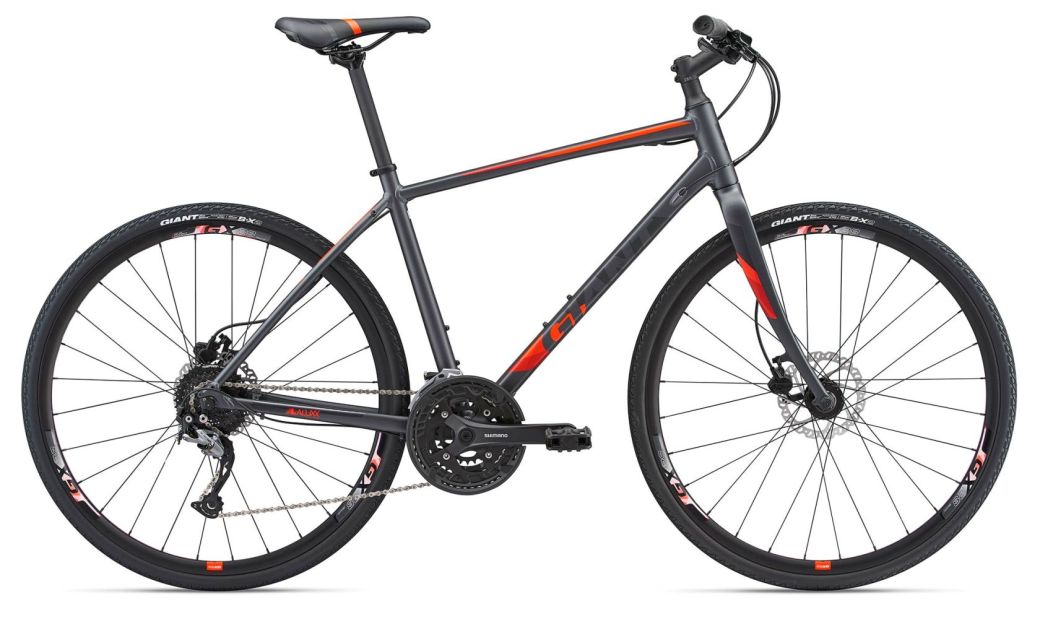
To:
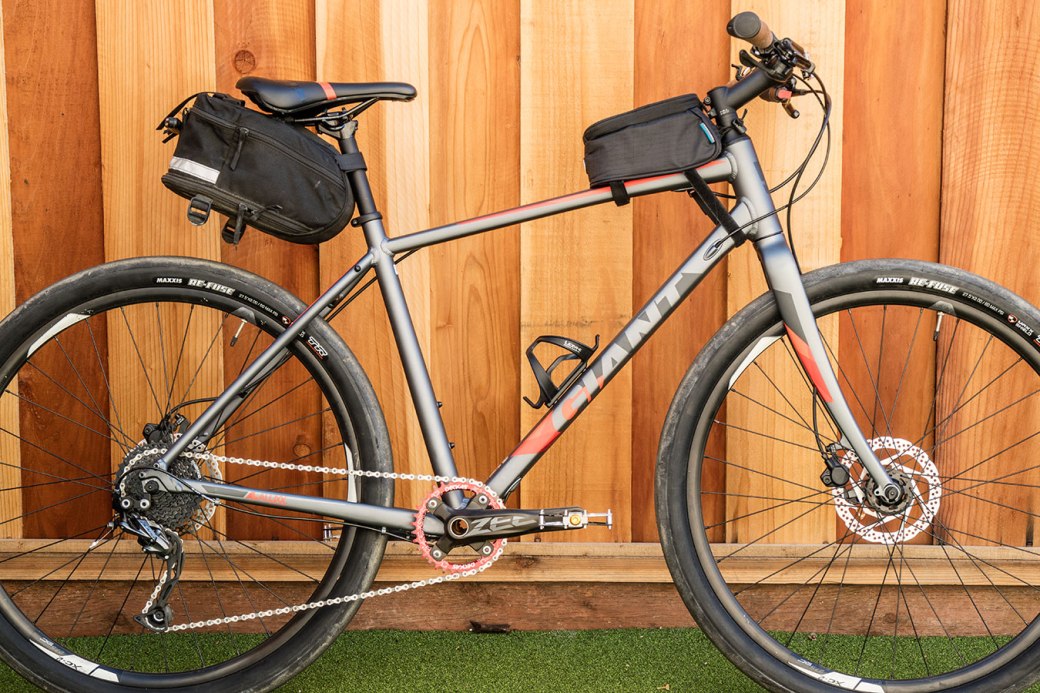
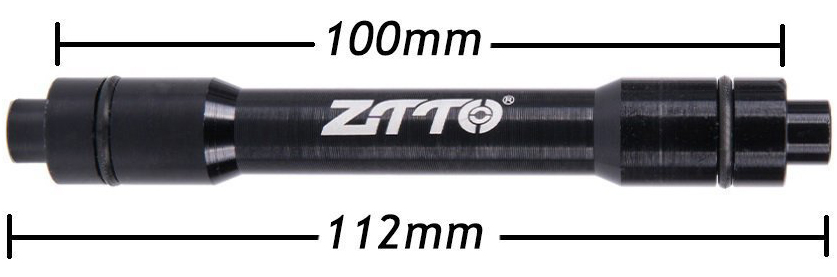
The wheels were used and only $150 on cl, the crank $100, pedals $25, tires $70, rotors $25. So add another $400 and it was $1100 out the door. The wheels I bought were from a 2014 Giant mountain bike. The rear wheel had identical rear hub spacing of 135mm so it fit fine. It had a weird screw in 5mm skewer but not a quick release, but it fit. I think this is unique to Giant? The front wheel used a 15mm thru axle so I had to get an adaptor for 5mm quick release hubs. The ZTTO brand adaptor was only $15 on Amazon and works fine.
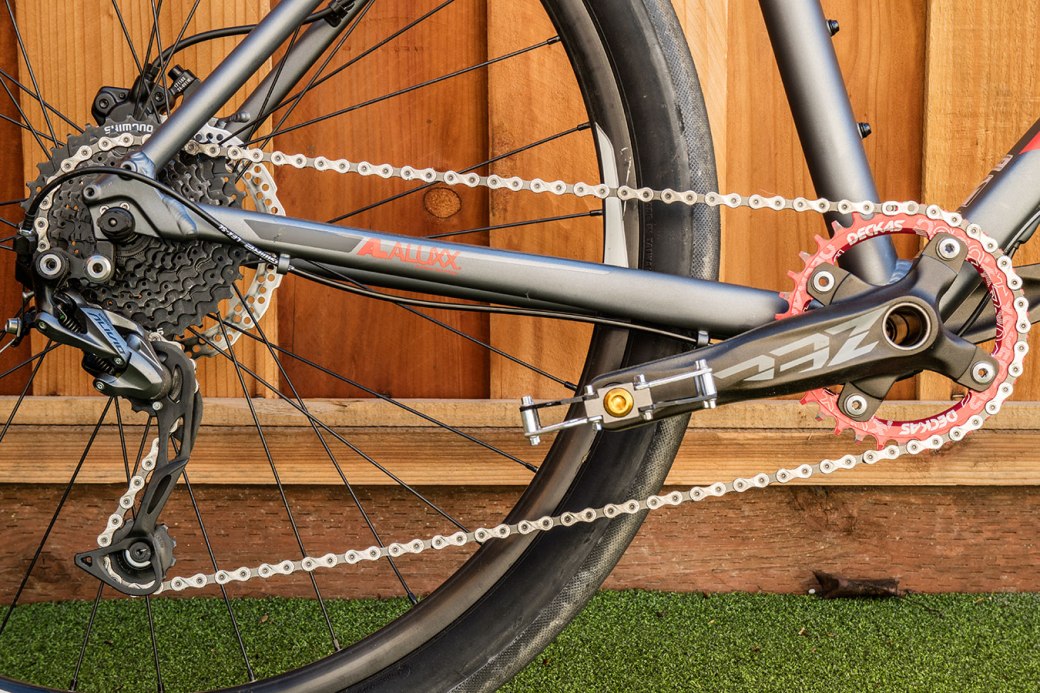
Why 1x gearing? For the street 9, 10, or 11 speeds is fine. A triple crank is a waste of weight since you never need that many gears for the street. A big myth is that 30 speeds is 3 times better than 10. See my discussion on 1x gearing to understand why this is a myth. (link in page after writing Blah blah) This is a close up of the 1x gearing. Alivio 9 speed 11-34 cassette in back and a 34 tooth narrow wide chain ring in front. A perfect set up for the street.
Why 650B? See this page that explains it. and gives some tips on the conversion process.
I ended up selling the Giant Escape since I didn’t ride it at all after I got my ebike. So I only kept it a year or so and put on 200-300 miles on it at most.
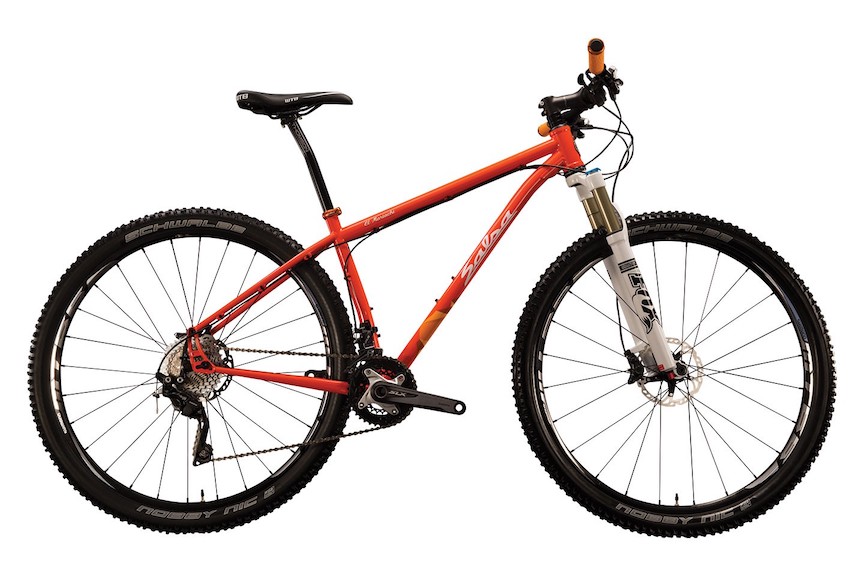
May 18, 2020 update – You can make a street bike from a hardtail mountain bike. I bought a 2015 Salsa El Mariachi on cl that was converted into a street/gravel bike. The wheels were changed to Stan’s ZTR Arch EX tubeless wheels. The tires are Schwalbe Marathon Almotion, and the suspension fork has been replaced with a Cromoto Grande 29er thru-axle fork. Now this is a rigid street/gravel bike. The frame is probably heavier than a street bike and the geometry might be slightly slower steering, but this can be a good alternative. I picked up the El Mariachi 2 for only $650 so it was a good deal with the MSRP of $2200 back in 2015. The dropouts are pretty unique. I plan to replace the crank, pedals, chain, and cassette with a 1x system and remove the left shifter and front derailleur. I’ll also swap out the rigid fork for a $269 RockShox and have a gravel and street bike.
Stock:
When I bought it:
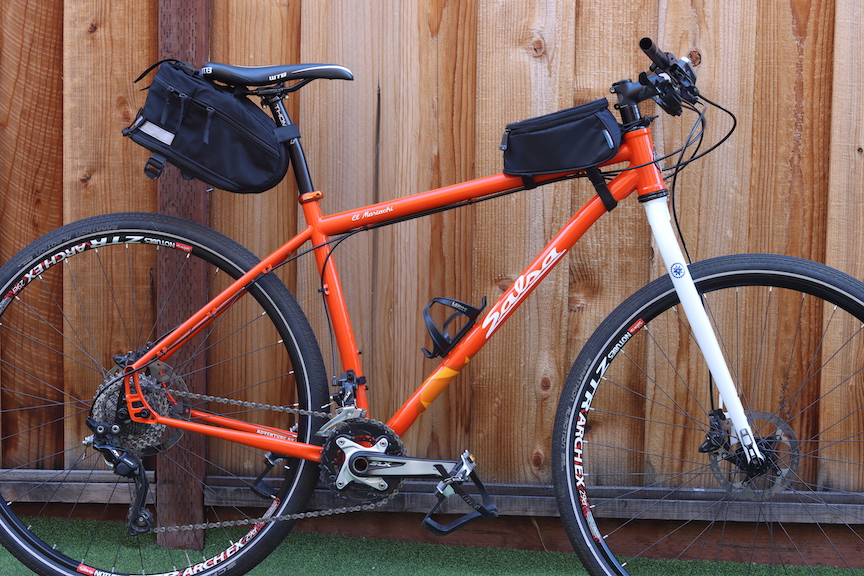
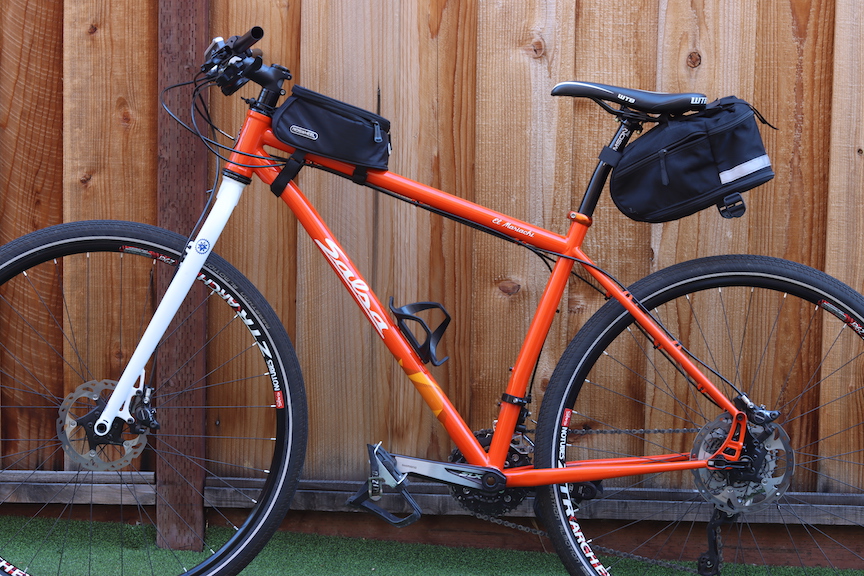
After riding it 100 or so miles, 29ers are fine since these street tires bring down the standover height an inch or two from large mountain bike tires. So I guess ride both wheel sizes and see which one you like the best. Keep in mind the tires should be equivalent to make a fair comparison. You won’t find many 650B street bikes available from the big three bike companies so it would be easier to find and cheaper to buy a 700c street bike. When I do my 20 mile ride to the Bay Trail and back, I climb about 150 feet and use 4-5 gears. The gears that are least used are the hardest gears to pedal since I never get going that fast, nor do I need really easy gears to pedal since I’m not climbing large hills. The point is that more gears isn’t necessarily better, it depends on the ride you do. I don’t ever need the high gears that are hard to pedal since I don’t get going more than 20 mph.
Suspension: Even for a street bike, I recommend a suspension fork. Nothing fancy like a $500-$1000 Fox fork, but just a $250-$500 Rock Shox will be fine to take the edge off of potholes and other bumps in the road. If you plan to go off the smooth asphalt onto gravel, mild single track then a suspension fork is really worth the money and extra weight.
Fit: The bike may feel fine on a test ride, but after riding it for an hour or so you may not like it as much. That happened with me and my Salsa El Mariachi. I’m trying to fix the fit and will update this page when I figure it out. Sometimes the top tube doesn’t feel long enough and I find myself stretching out on the bike while riding. I may just end up selling it if it’s too small. I would never think a Large was too small for me, but every bike manufacturer and model is a little different.
Handlebars: Related to fit, I’m going to try these Jones H handlebars to see if they work for me. Flat bars are fine, but after an hour of riding it would be great to have some different hand positions. Not sure they would work for a mountain bike, but for a street and gravel bike I think they’ll be much better than flat bars but need to try them out.
 Canon M Cameras